

The Rose of Carmel
The month of October opens with the Feast Day of the much-beloved Little Flower of Carmel, Saint Therese. Hidden from the eyes of the world during her lifetime, she promised to let fall a shower of roses when in Heaven, for, as she said, “I will spend my Heaven doing good upon earth.” She has since fulfilled that promise, and continues to do so, so much so that in the popular Catholic mind, Therese is inseparable from the rose. 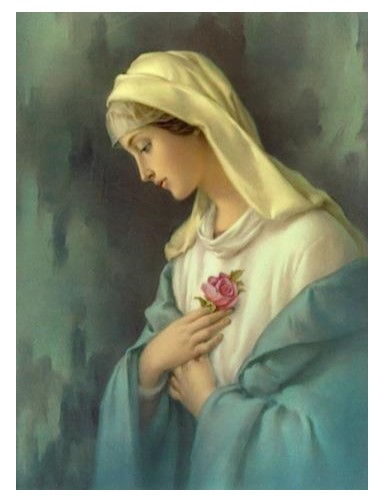
And in truth, she is inseparable from the Rose. For the Rose of Carmel, the Rosa Carmeli, to whom Therese is most devoted, is the Blessed Virgin Mary herself. In fact, Holy Mother Church has venerated Mary as Rosa Mystica, or Mystical Rose, from as early as the 5th century. Unsurprisingly, the early Carmelites naturally referred to Our Lady as Carmel’s Rose in their antiphons and prayers. One such favorite among these, composed by Saint Simon Stock and still used daily in some Ancient Observance monasteries as part of monastic table grace, addresses her thus:
O Maria, Flos Virginum, Velut rosa vel lilium / O Mary, Flower of Virgins, like a rose or a lily.
50 years after Saint Therese began her shower of roses in 1897 (the year of her death), Our Lady appeared in Montichiari, Italy, identifying herself as Rosa Mystica. She pleaded that religious institutes be faithful to their original charisms and that consecrated souls honor her and offer themselves in prayer, penance, and sacrifice for those who have betrayed their religious or priestly vocation.
For the Carmelite these requests echo their own original charism. It is precisely to honor the Virgin Mary and to make the offering of one’s life to God in prayer and sacrifice for souls that the Order exists. Saint Therese shines as a perfect example of this self-sacrificing love for souls and devoted love for Mary. Content to be the “Little Flower” among many Flowers in God’s Garden (the literal meaning of the word Carmel), with every shower of roses she witnesses to the one Rose of Carmel, the Rosa Mystica.
O Maria, O Virgin Flower of Carmel, O Rosa Mystica, pray for us!
Next Month: The Shield of Faith
Follow